Authentic Pashtun Rice: Charsadda Motay Chawal
Charsadda Motay Chawal: A Traditional Rice Dish
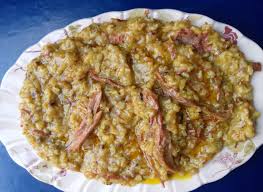
Charsadda Motay Chawal is one of the most loved traditional rice dishes from Khyber Pakhtunkhwa, Pakistan. Known for its thick grains, rich aroma, and authentic taste, this dish holds a special place in Pashtun cuisine. Unlike fine basmati rice, motay chawal are slightly larger and absorb flavors beautifully, making them ideal for slow-cooked, savory meals.
Charsadda, a historic district famous for its agriculture and culinary heritage, produces high-quality rice that has been used in households for generations. Today, Charsadda Motay Chawal are enjoyed not only locally but across Pakistan.
What Makes Charsadda Motay Chawal Unique
The uniqueness of Charsadda Motay Chawal lies in the texture of the rice grains. These grains are thicker, firmer, and less likely to break during cooking. This quality allows them to soak in spices, stock, and meat flavors deeply, creating a rich and satisfying meal.
Another defining feature is the earthy aroma of the rice, which comes from fertile land and traditional farming methods. Unlike polished commercial rice, these grains retain a natural taste that enhances traditional recipes.
Cultural Importance of Charsadda Motay Chawal
In Pashtun culture, food represents hospitality and honor. Motay chawal from Charsadda are commonly prepared for family gatherings, weddings, and special occasions. The dish is often cooked in large pots over slow heat, ensuring each grain remains separate while absorbing flavor.
During winter, this rice dish becomes especially popular due to its hearty nature. Families often serve it with meat curries, lentils, or yogurt-based sides, making it a complete and comforting meal.
Health Benefits of Motay Chawal
Compared to refined rice varieties, Charsadda Motay Chawal are considered more filling and easier to digest when cooked properly. They provide sustained energy and are ideal for people who prefer traditional diets.
Some health benefits include:
- Long-lasting energy due to complex carbohydrates
- Better digestion when soaked before cooking
- Naturally gluten-free
- Low fat content
When paired with vegetables or lean meat, motay chawal can be part of a balanced diet.
How Charsadda Motay Chawal Are Traditionally Cooked
Traditional cooking methods play a key role in the taste of Charsadda Motay Chawal. The rice is first washed thoroughly and soaked to soften the grains. It is then boiled in salted water or meat stock until tender.
Once cooked, the rice is often layered with spices, onions, and meat, then steamed on low heat. This slow cooking allows flavors to blend while keeping the grains firm and fluffy.
Popular variations include:
- Motay chawal with beef or mutton
- Simple salted motay chawal with ghee
- Motay chawal served with dal or karhi
Why Charsadda Motay Chawal Are Gaining Popularity
In recent years, there has been a renewed interest in traditional and regional foods. People are moving away from overly processed meals and embracing authentic flavors. Charsadda Motay Chawal fit perfectly into this trend.
Food bloggers, chefs, and home cooks are now highlighting regional rice varieties for their taste and nutritional value. As a result, Charsadda rice is increasingly available in markets and online stores across Pakistan.
Buying and Storing Charsadda Motay Chawal
When purchasing Charsadda Motay Chawal, look for clean, uniform grains with a mild aroma. Avoid rice that appears overly polished or broken.
For storage:
- Keep rice in an airtight container
- Store in a cool, dry place
- Avoid moisture to maintain quality
Proper storage ensures the rice retains its flavor and texture for months.
Conclusion
Charsadda Motay Chawal are more than just rice—they are a symbol of tradition, culture, and authentic taste. Their thick grains, rich flavor, and versatility make them a favorite across Pakistan. Whether prepared for a special occasion or a simple family meal, this traditional rice dish never fails to satisfy.
By choosing Charsadda Motay Chawal, you are not only enjoying a delicious meal but also preserving a rich culinary heritage passed down through generations.
About The Author