Carrot vs sweet potato—who really wins for eyes and heart?
Carrot vs Sweet Potato: Better for Eyes & Heart?
When it comes to healthy eating, both carrots and sweet potatoes are often praised as nutritional superfoods. Rich in vitamins, antioxidants, and fiber, these colorful vegetables are especially linked to eye health and heart health. But an important question remains: carrot vs sweet potato — which is better for eyes and heart? Let’s break it down scientifically and simply.
Why Are Carrots and Sweet Potatoes So Popular?
Both vegetables are packed with beta-carotene, a powerful antioxidant that the body converts into vitamin A. Vitamin A plays a critical role in maintaining good vision, supporting the immune system, and protecting the heart.
However, despite this similarity, carrots and sweet potatoes differ in nutrient concentration, absorption, and overall health benefits.
Carrots for Eye Health: How Effective Are They?
Carrots are famously associated with eyesight—and for good reason.
Key Eye Benefits of Carrots
- Extremely rich in beta-carotene
- Supports night vision
- Helps prevent dry eyes
- Protects against age-related macular degeneration
Vitamin A from carrots helps maintain the retina and allows the eyes to adjust to low light. While carrots won’t magically improve eyesight, regular consumption can prevent vitamin A deficiency, which is a major cause of vision problems worldwide.
Carrots also contain lutein, another antioxidant linked to reduced risk of eye diseases.
Sweet Potatoes for Eye Health: Are They Better?
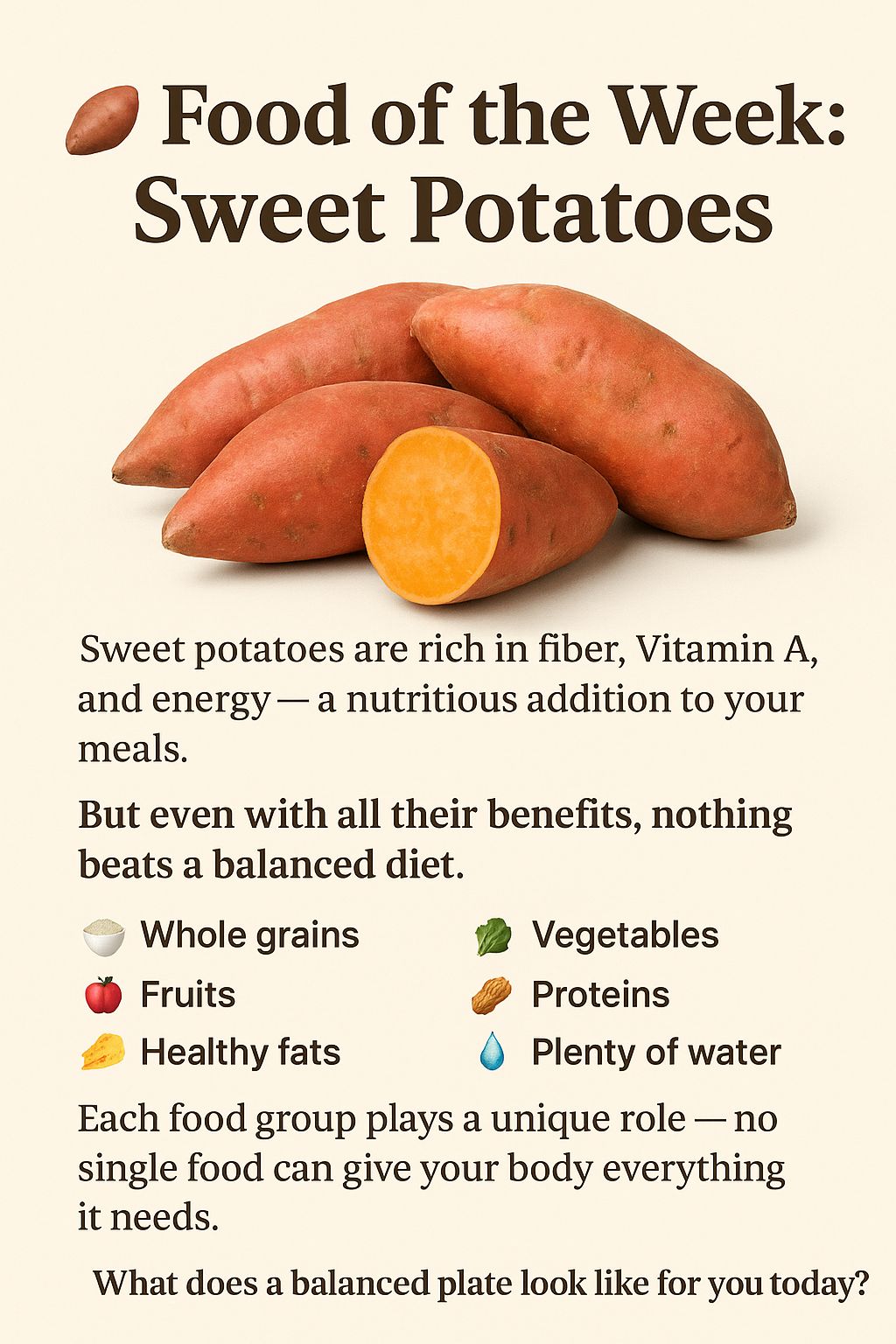
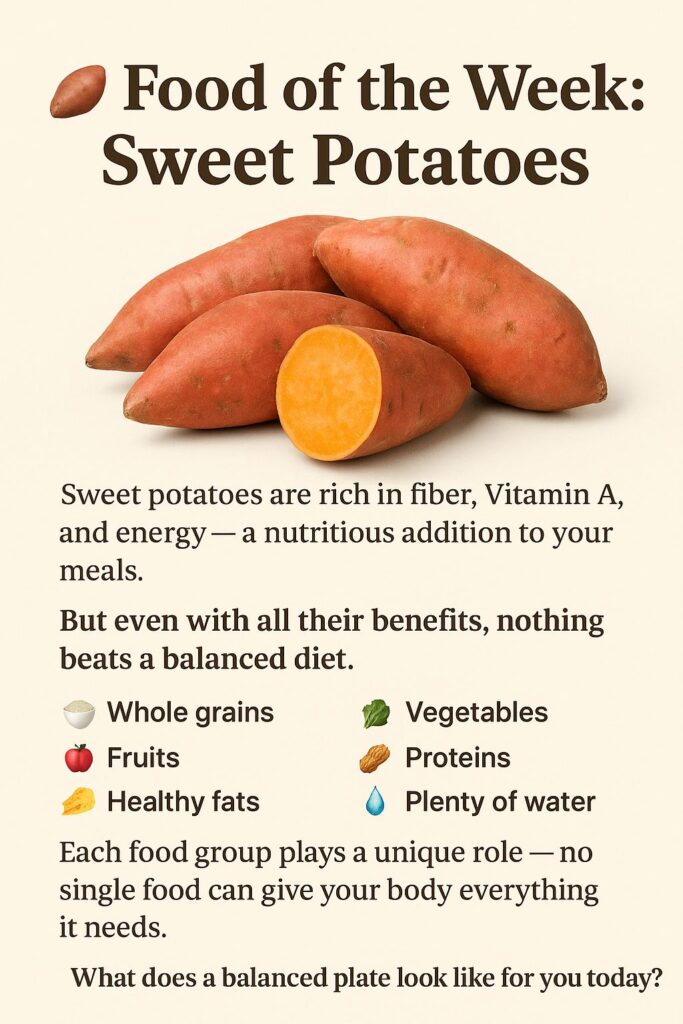
Sweet potatoes actually contain more beta-carotene per serving than carrots.
Why Sweet Potatoes Stand Out
- Higher beta-carotene concentration
- Better absorption when cooked
- Rich in vitamin C and E, which protect eye cells
- Support long-term eye health
A single medium sweet potato can provide more than 400% of the daily vitamin A requirement, making it exceptionally powerful for vision support.
👉 Verdict for Eyes:
Sweet potatoes have a slight edge due to higher beta-carotene content and better nutrient absorption.
Carrots and Heart Health: Are They Heart-Friendly?
Carrots offer multiple benefits for the heart:
Heart Benefits of Carrots
- High in fiber, helping lower cholesterol
- Contain potassium, which regulates blood pressure
- Rich in antioxidants that reduce inflammation
Studies suggest that regular carrot consumption may help reduce the risk of heart disease and stroke by improving blood vessel health.
Sweet Potatoes and Heart Health: A Strong Contender
Sweet potatoes are also excellent for cardiovascular health.
Heart Benefits of Sweet Potatoes
- High potassium levels help control blood pressure
- Rich in fiber, improving cholesterol balance
- Contain anthocyanins (especially purple varieties), which reduce heart inflammation
- Low glycemic index compared to regular potatoes
Sweet potatoes support heart health by improving blood circulation, reducing oxidative stress, and maintaining healthy arteries.
👉 Verdict for Heart:
Sweet potatoes again come slightly ahead due to their potassium content and anti-inflammatory compounds.
Carrot vs Sweet Potato: Nutritional Comparison
| Nutrient | Carrot | Sweet Potato |
|---|---|---|
| Beta-Carotene | High | Very High |
| Fiber | Moderate | High |
| Potassium | Moderate | High |
| Vitamin C | Low | Moderate |
| Antioxidants | High | Very High |
Which Should You Eat More?
The honest answer: both.
- Choose carrots if you want a low-calorie, crunchy snack for daily use.
- Choose sweet potatoes if you want maximum vitamin A and heart benefits.
For best results:
- Eat carrots raw or lightly cooked
- Eat sweet potatoes cooked to improve nutrient absorption
- Pair both with healthy fats like olive oil to absorb beta-carotene better
Final Verdict: Which Is Better for Eyes and Heart?
So, carrot vs sweet potato — which is better for eyes and heart?
✔ Sweet potatoes slightly win due to higher beta-carotene, fiber, and potassium
✔ Carrots remain an excellent daily option for vision and heart support
The smartest choice isn’t picking one—it’s including both in a balanced diet.
About The Author