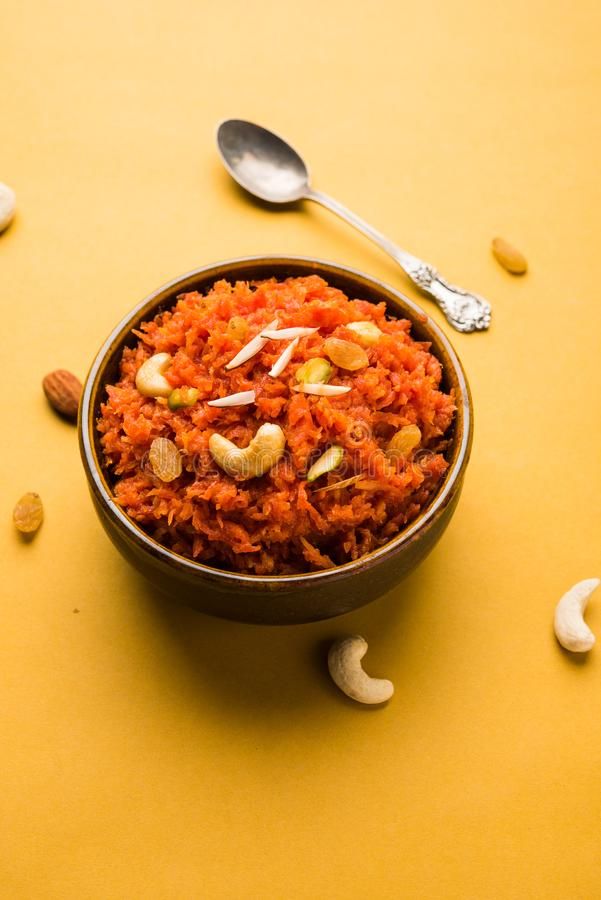
Sweet winter vibes: Gajar Halwa + Gajrela perfection.
Gajar Ka Halwa and Gajrela – The Ultimate Winter Dessert Duo
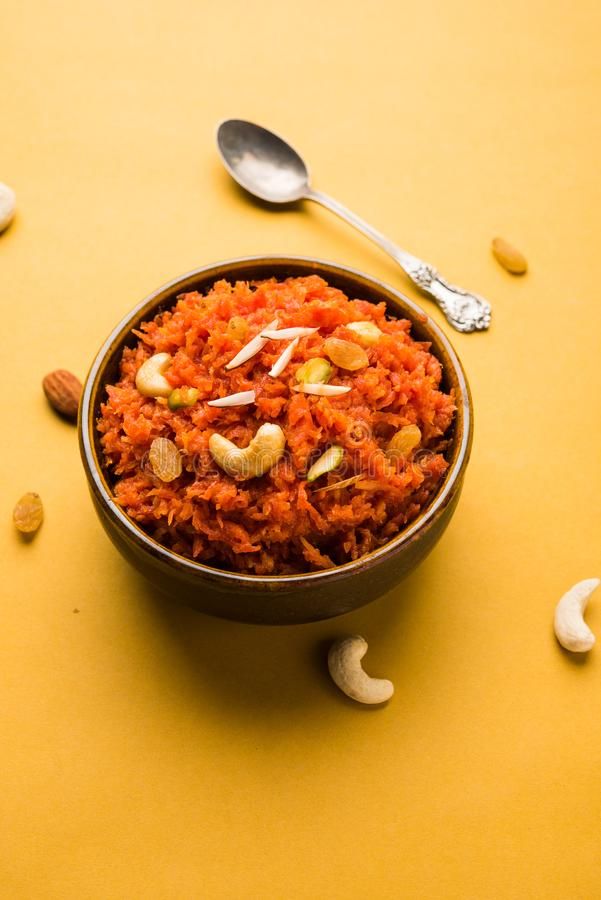
Winter in South Asia brings countless joys, but nothing compares to the irresistible aroma and comforting sweetness of Gajar Ka Halwa and Gajrela. These two traditional desserts are more than just sweet dishes — they are emotional, nostalgic, and deeply rooted in family traditions. Whether enjoyed hot straight from the pot or cold with a thick creamy texture, both desserts shine as winter’s most beloved treats.
In homes across Pakistan and India, winter feels incomplete without the rich taste of fresh red carrots, pure desi ghee, milk, and dry fruits simmering together. Both dishes carry a unique identity, yet share a common essence — warmth, flavor, and love.
What Makes Gajar Ka Halwa So Special?
Gajar Ka Halwa, also known as Gajjar Halwa, is a classic winter sweet made with grated carrots, ghee, sugar, milk, and cardamom. Its rich color and aroma make it a winter staple in every household. The slow-cooking method is what gives this dessert its charm. As the carrots simmer for hours in milk, they release natural sweetness that blends beautifully with ghee and sugar.
This dessert is often prepared in large batches because one serving is never enough. Families enjoy it for days — reheating it with a spoonful of ghee brings the same warm, comforting taste every time. The topping of almonds, pistachios, and khoya enhances the flavor and gives it a delightful richness.
The best part? It’s a wholesome, energy-giving dish, perfect for cold days. The combination of ghee, milk, and nuts makes it naturally warming — that’s why Gajar Ka Halwa is one of the most searched winter desserts every year.
Gajrela – A Creamy, Royal Winter Dessert
While Gajar Ka Halwa is grainy and rich, Gajrela is its creamy cousin. Made with grated carrots cooked directly in full-fat milk, it has a soft, pudding-like texture. The carrots dissolve into the milk as they cook, creating a flavor that is milky, smooth, and luxurious.
Gajrela is often preferred for its lighter sweetness and velvety consistency. It is made richer with khoya, dry fruits, and a sprinkle of cardamom. Many families serve it after dinner as a warm dessert that soothes the heart and soul.
Because of its creamy texture, Gajrela is also popular in restaurants and winter weddings. Served in clay pots or small bowls, it carries a traditional charm that everyone loves.
Gajar Ka Halwa vs. Gajrela – The Delicious Difference
Both desserts come from the same roots, yet offer different textures and tastes:
- Gajar Ka Halwa is grainy, rich, and slightly chewy.
- Gajrela is creamy, thick, and milk-based.
- Halwa uses less milk but more ghee; Gajrela uses more milk and slow cooking.
- Gajrela is softer, while Halwa is dense and flavorful.
No matter which one you prefer, both deliver the perfect winter warmth.
Cultural Significance of These Winter Desserts
Winter in Pakistan and India is incomplete without these sweets. They represent:
- Family gatherings
- Winter celebrations
- Festive hospitality
- Traditional homemade cooking
From family dinners to festive occasions, both desserts play an important role in creating warmth and togetherness. Every household has its own recipe passed down through generations — making these dishes not just food, but memories.
Health Benefits of Carrot-Based Desserts
While these desserts are indulgent, they also carry benefits:
- Carrots are rich in vitamin A, good for eyesight.
- Milk provides calcium and protein.
- Nuts add healthy fats and energy.
- Ghee boosts immunity in winter.
When eaten in moderation, Gajar Ka Halwa and Gajrela are actually nourishing winter treats.
Why These Desserts Trend Every Winter
With social media food trends rising, these desserts go viral every winter. People love posting:
- Hot servings of Gajar Ka Halwa
- Creamy bowls of Gajrela
- Slow-cooking videos
- Traditional winter recipes
Food lovers search for authentic winter desserts, making these two dishes top winter favorites worldwide.
Conclusion
Gajar Ka Halwa and Gajrela are more than desserts — they are symbols of winter comfort, tradition, and love. Their rich flavors, creamy textures, and nostalgic warmth make them winter’s most celebrated sweets. Whether you prefer the dense richness of Halwa or the silky texture of Gajrela, both guarantee one thing — pure winter happiness in every spoon.
About The Author